Our Team
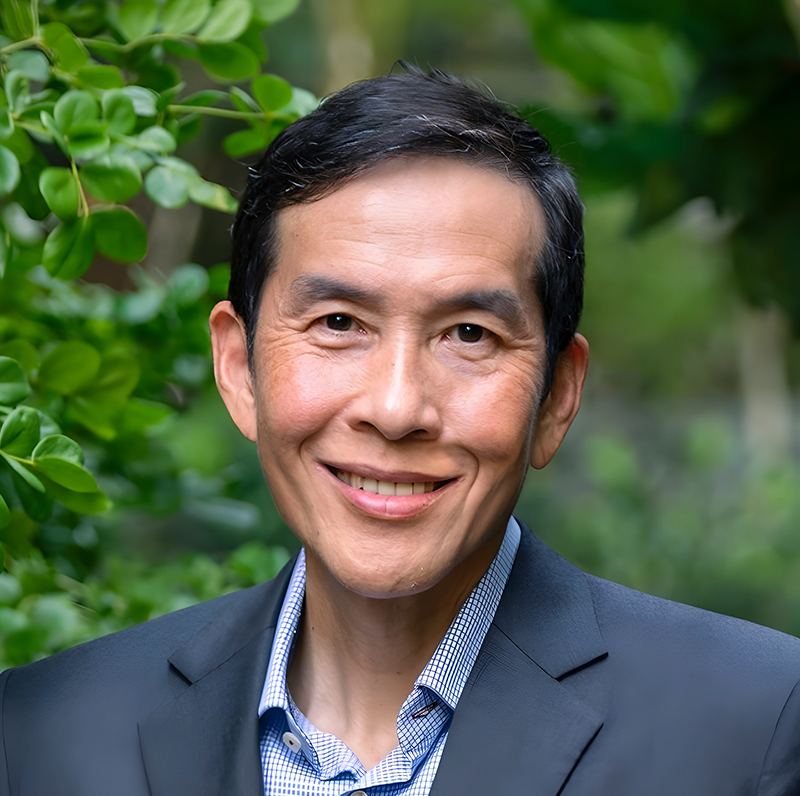
Professor Michael Chee Wei Liang
Professor Michael Chee, MBBS, FRCP(Edin) is the Director of Centre for Sleep and Cognition at the National University of Singapore Yong Loo Lin School of Medicine. He is a pioneer clinician-scientist in Singapore who has won the National Outstanding Clinician-Scientist Award (2009) and is a three-time award winner of the National Medical Research Council’s top tier Clinician-Scientist STaR award (2007, 2013, 2019). He is an inaugural Fellow of the Organisation for Human Brain Mapping.
Read More
As an esteemed Sleep Researcher, Professor Michael Chee’s work on sleep over the last 20 years has focused on characterising and alleviating the negative impact of sleep deprivation on cognitive performance, wellbeing and health using innovative cognitive tests as well as a wide range of instrumentation including EEG, MRI, wearable devices, and ecological momentary assessments. His team ran 5 editions of the adolescent ‘Need for Sleep Studies’ – a 2-week sleep camp investigating the effects of different doses of sleep on vigilance, memory and mood.
Renowned as a leading Sleep Researcher, he has led work on non-invasive stimulation technologies to enhance sleep, a series of intervention studies involving sleep education and starting school later to help adolescents sleep longer, developed smartphone apps to assess time use and to probe sleep and daytime wellbeing, as well as multiple papers investigating the neural mechanisms of sleep loss as well as the benefit of naps. His 200+ publications include contributions to Ann Rev Psychol, PNAS, Neuron, J Neuroscience, Am J Psychiatry, Sleep and NeuroImage.
In the sleep field, he has served as Vice President (2013-2014) and President (2016-2018) of the Singapore Sleep Society, is on the governing council of the Asian Society of Sleep Medicine and the World Sleep Society. He has given plenary or keynote talks at top conferences such as World Sleep, Organization for Human Brain Mapping and the American Academy of Sleep Medicine, consulted for AIA and presently sits on the editorial boards of Sleep, Imaging Neuroscience and Current Opinion in Behavioral Sciences.
He has also written numerous commentaries on sleep and public health and has appeared on television, internet, and international print media in relation to his advocacy work for sleep, which has been cited by the Times, Guardian, Economist, and other influential lay press publications. He has also trained over 80 research staff including 4 Associate Professors, 7 Assistant Professors, numerous research fellows as well as a few medical doctors, clinical psychologists, and founders of two tech start-ups.
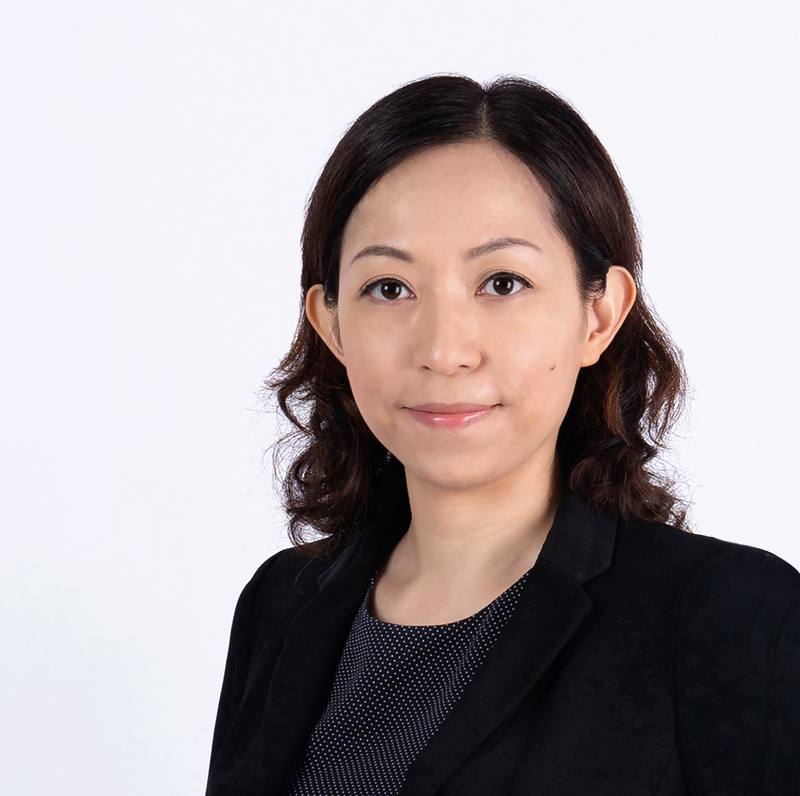
Assistant Professor June Chi-Yan Lo
Dr June Lo is an Assistant Professor at the Department of Medicine, Yong Loo Lin School of Medicine. She is the Principal Investigator of the Sleep and Health Laboratory. She also holds an honorary appointment as an Assistant Professor at the Department of Psychology of the National University of Singapore. As a cognitive psychologist, she has been investigating the contribution of sleep to neurobehavioural functions in children, adolescents, and adults.
Read More
She is passionate about this topic because of the escalating prevalence of sleep curtailment in many modern societies, including Singapore, and the unanimous reports of its diverse negative consequences, such as impaired attention in students and poorer behavioural outcomes in children. Her research programme aims to improve sleep so as to maximise cognitive potential and improve psychological well-being. She is on the Editorial Board of SLEEP and SLEEP Advances. She has published over 60 articles in peer-reviewed journals.
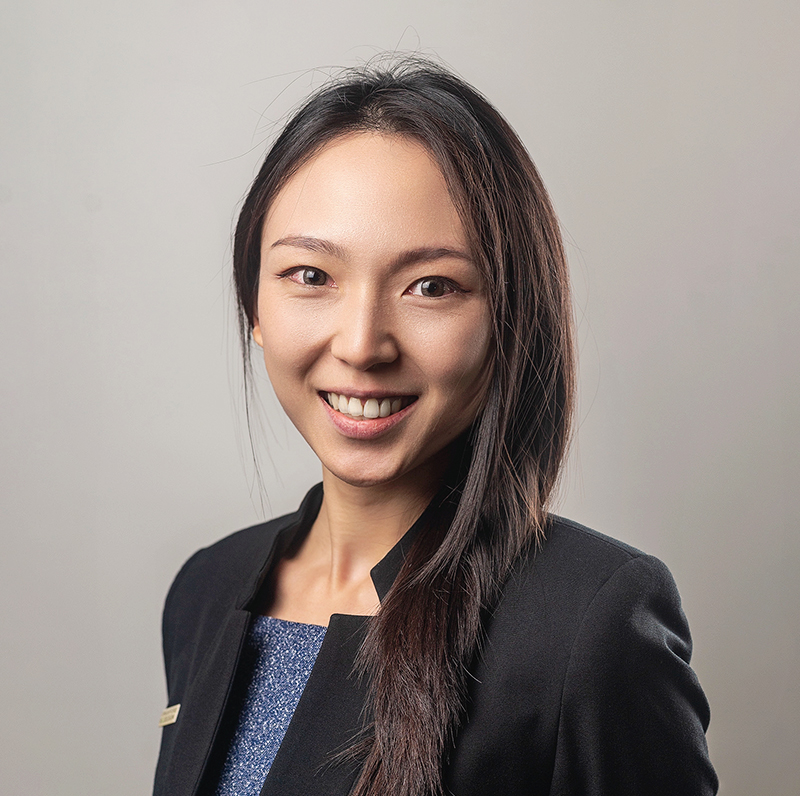
Assistant Professor Jocelyn Chew
Dr Chew completed her PhD at the Chinese University of Hong Kong and is the youngest nursing PhD holder in Singapore. She is passionate about population health, digital health, and healthcare innovation, having received training in nutrition science, artificial intelligence, and advanced statistics. Dr Chew is also the first nurse to receive training in the Stanford Biodesign methodology as a Singapore Biodesign Innovation Fellow FY23/24, which included training in regional and global centers such as Beijing and the United States.
Read More
Dr Chew’s research focuses on using innovative strategies to promote health behavior change, specifically for cardiometabolic diseases and the upstream problem of obesity. She has developed multiple self-regulation programs including an artificial intelligence (AI)-assisted behavioral prediction and prevention system for personalized weight management. She is a recipient of the National Medical Research Council (NMRC) talent award and has been awarded the NMRC Population Health Research Grant – New Investigator Grant (PHRG-NIG) to support her research in obesity prevention and management.
Dr Chew has published over 80 internationally peer-reviewed articles of high impact factor and has been awarded millions worth of research funding. She has presented her research in various conferences globally and has received multiple international awards over the years. Dr Chew is also a member of the Singapore Association for the Study of Obesity, serves an editor for Frontiers in Nutrition, and sits in the Department Ethics Review Committee.
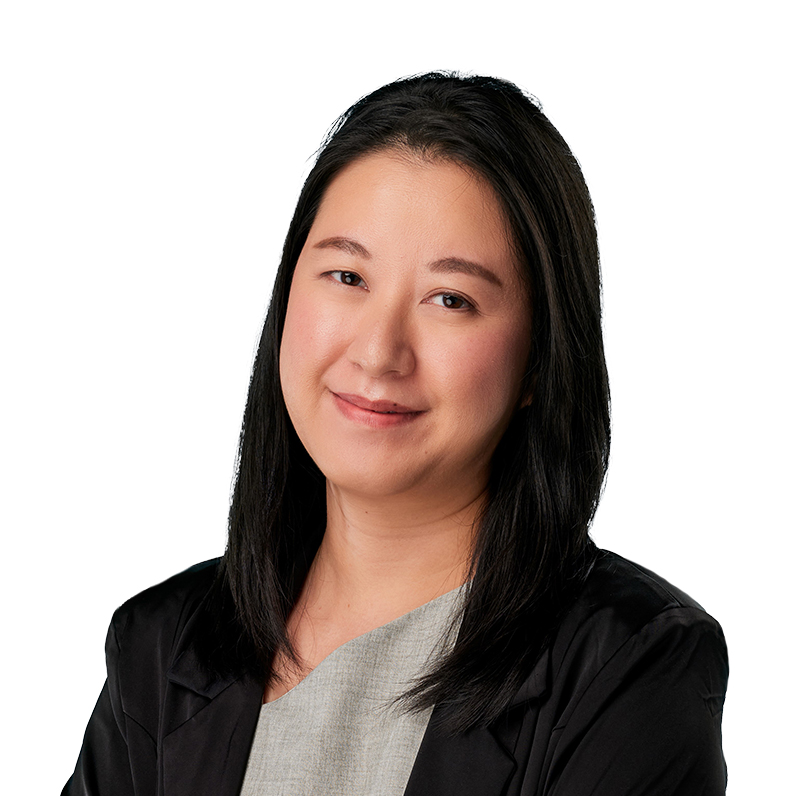
Dr Soh Kai Ruo
Dr Soh Kai Ruo holds a PhD in Creative Industries (Media Studies), where her doctoral research interrogated film production cultures to understand how international cinematic collaborations function as transnational conduits for cultural and economic integration. She possesses extensive professional expertise in marketing and strategic communications across the cultural, arts, and social impact landscapes, supported by various international accolades.
Currently, Dr Soh spearheads the Communications and Engagement efforts for the Health District @ Queenstown, a collaborative multi-agency initiative involving the National University of Singapore, National University Health System, and the Housing & Development Board (HDB).
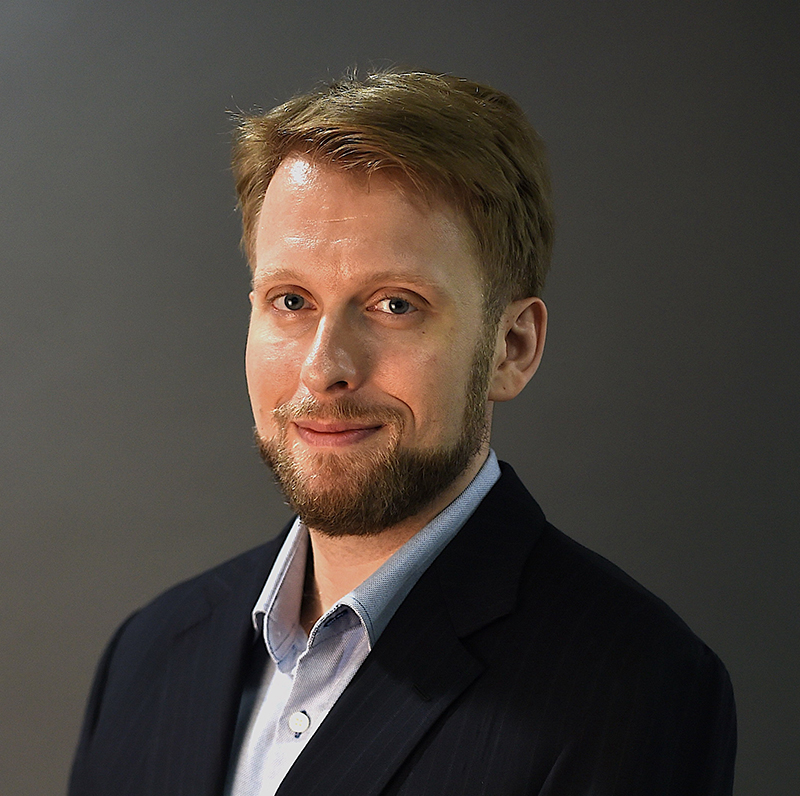
Associate Professor Jan Gruber
Jan Gruber is an Associate Professor in the Department of Biochemistry and a Principal Investigator in the Healthy Longevity Translational Research Programme at the Yong Loo Lin School of Medicine, National University of Singapore.
His research seeks to understand ageing as a systems-level biological process and to translate this understanding into quantitative tools and interventions that extend healthspan. His work spans experimental biochemistry, model-organism biology, dynamical systems and clinical data science. His earlier research focused on mitochondrial function, oxidative stress and the pharmacological modulation of lifespan in model organisms.
Read More
More recently, his group has developed clinical measures of biological ageing, including ageing clocks, and investigated how the progressive loss of physiological resilience contributes to age-related disease, functional decline and mortality.
Gruber received his PhD in Biochemistry from the University of Oxford in 2004, following an MSc by Research in Biochemistry from Oxford in 2000 and a Master of Advanced Studies in Applied Mathematics and Theoretical Physics from the University of Cambridge in 1999. He previously studied physics at RWTH Aachen University. Before joining the NUS faculty, he was a Senior Research Fellow at NUS. He subsequently joined Yale-NUS College as a member of its inaugural faculty and later served as an Associate Professor in the Division of Science.
Associate Professor Falk Müller-Riemenschneider
Falk Müller-Riemenschneider is Associate Professor, and co-PI of the PANDA programme at the Saw Swee Hock School of Public Health, National University of Singapore. Falk is a physician by training and has worked in public health for more than 12 years, in the UK, Germany and since 2012 in Singapore.
His past work was concerned with Health Services Research and the evaluation of intervention strategies aiming to prevent cardiovascular and other non-communicable diseases. Since joining the School of Public Health, behavioral research with a focus on health promotion has become his priority. He is passionate about physical activity and physical activity related research. Ultimately, he aims to improve population health by promoting activity and reducing sedentary behavior in different populations and using diverse approaches.
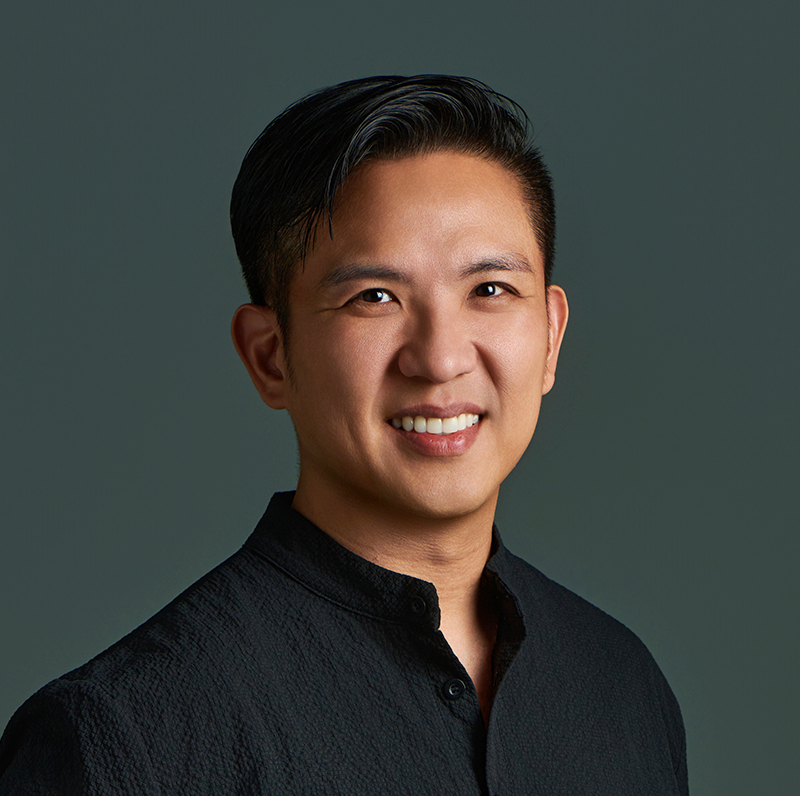
Dr Andrew Tay
Dr Andrew Tay is Chief Wellbeing Officer at NUS. Since 2020, he has led the University’s Health & Wellbeing unit (HWB).
At HWB, Andrew leads the development and launch of wellbeing initiatives for the NUS community. These include university-wide destigmatisation campaigns such as #AreuOK and (kind)mind, which drive mental health and resource awareness, as well as WellNUS, a comprehensive framework that maps out the mental health and wellbeing journey of NUS staff members, enabling the identification and delivery of relevant initiatives and support measures.
Read More
These efforts have contributed to the University earning national and global recognition in the mental wellness space, receiving the Wellbeing Organisation of the Year Award from WorkWell Leaders in 2023 and the Global Healthy Workplace Award in 2022.
A medical professional by training with a wealth of experience in occupational health, Andrew previously spearheaded employee wellbeing efforts at leading technological and pharmaceutical giants. He was Regional Benefits Consultant for Facebook, steering the design of physical and mental health benefits, and Director for Health and Wellbeing at GlaxoSmithKline Pharmaceuticals, leading the development of occupational health services and strategies to enhance the health and wellbeing of employees across Singapore and the region.
Andrew received his MBBS from NUS’ Yong Loo Lin School of Medicine, and a Masters of Public Health with a specialisation in Occupational and Environmental Health from NUS’ Saw Swee Hock School of Public Health. He also holds a Graduate Certificate in Human Resource from the Singapore Management University.
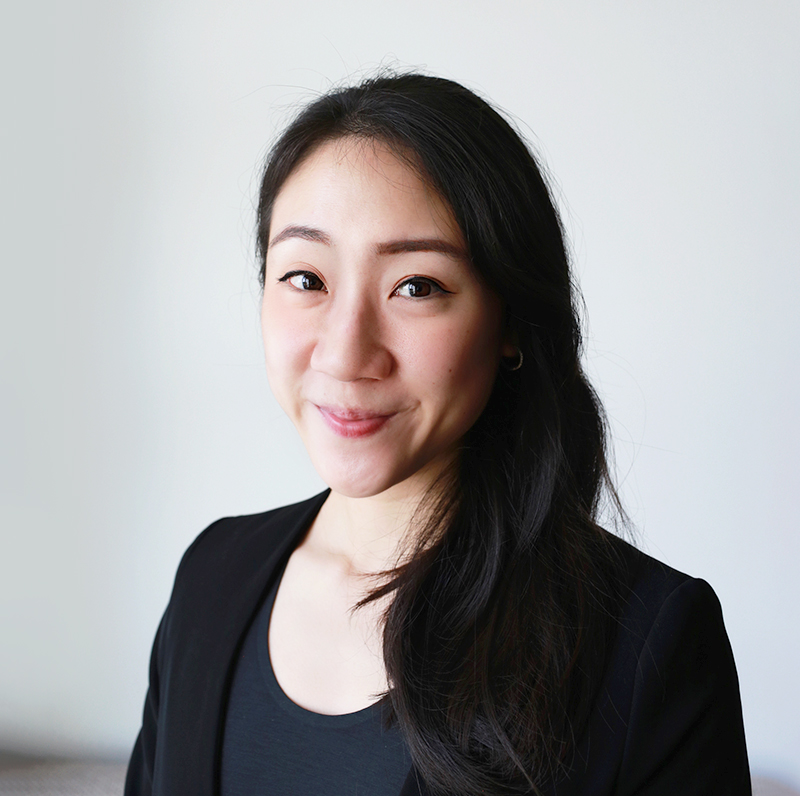
Dr Ruth Leong
Dr Ruth Leong is a Senior Research Fellow at the Centre for Sleep and Cognition. Her research examines questions on sleep’s importance for one’s cognitive and emotional goals, to what extent naps benefit cognitive processes, and how the role of sleep changes with age. She seeks to address these questions by conducting behavioural experiments employing techniques measuring sleep as well as cognitive tasks.
In addition, she is passionate about boosting population sleep health through strategic interventions targeting sleep education and sleep hygiene practices.
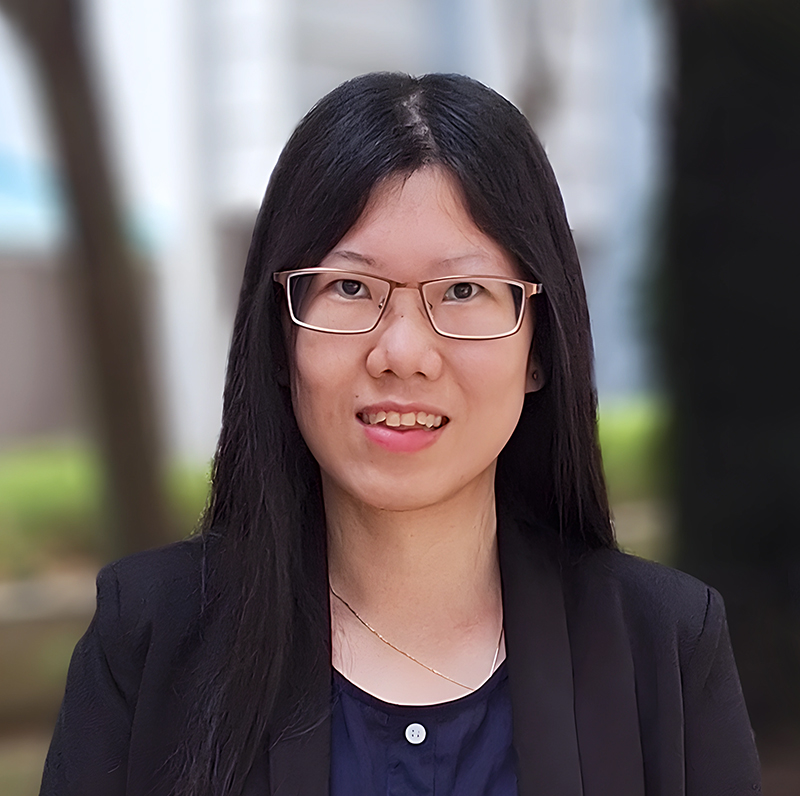
Dr Ju Lynn Ong
Dr Ju Lynn Ong is a Research Assistant Professor at the Centre for Sleep and Cognition. Building on years of experience in laboratory-based sleep research using electroencephalography (EEG) and functional magnetic resonance imaging (fMRI) techniques, her current research now focuses on the evaluation of different wearable devices for sleep characterization and improvement across various population groups for more scalable, real-world applications.
Ju Lynn holds a PhD in Medical Imaging and a Bachelor of Engineering (Telecommunications/Electronics) from the Australian National University. She also currently serves on the editorial boards of SLEEP and SLEEP Advances.
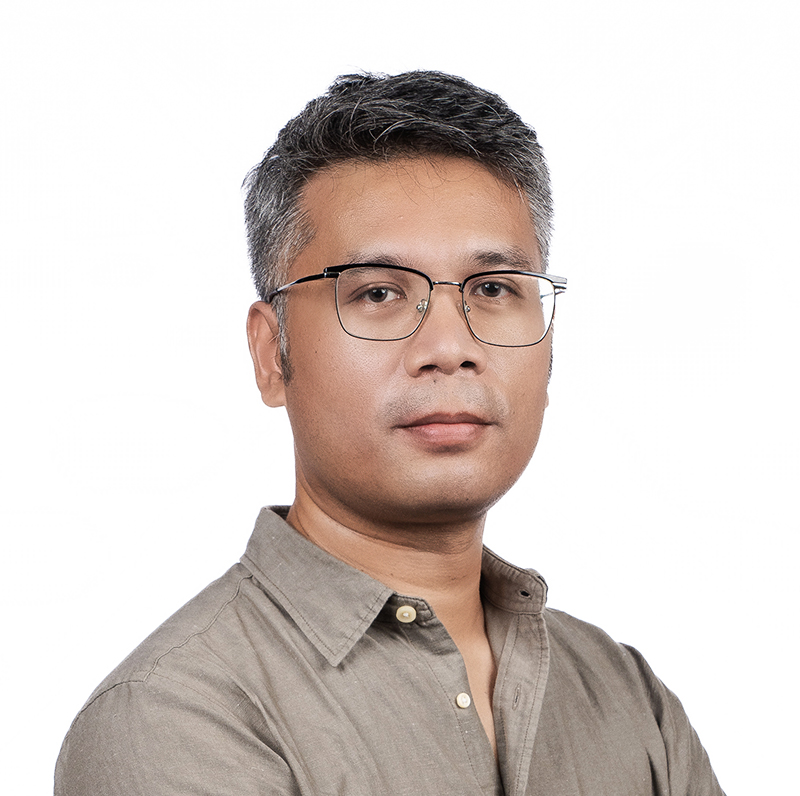
Dr Stijn Massar
Dr Stijn Massar is a cognitive neuroscientist with a background in work psychology. His main research interests are in human performance under fatigue, sleep deprivation and stress. He has a special interest in how these areas interact with motivation and effort allocation. He study these topics through a variety of techniques including behavioral experiments and techniques such as behavioral modelling, pupillometry, and neuroimaging. Furthermore, he is interested in methods and techniques to improve sleep in the wider population.
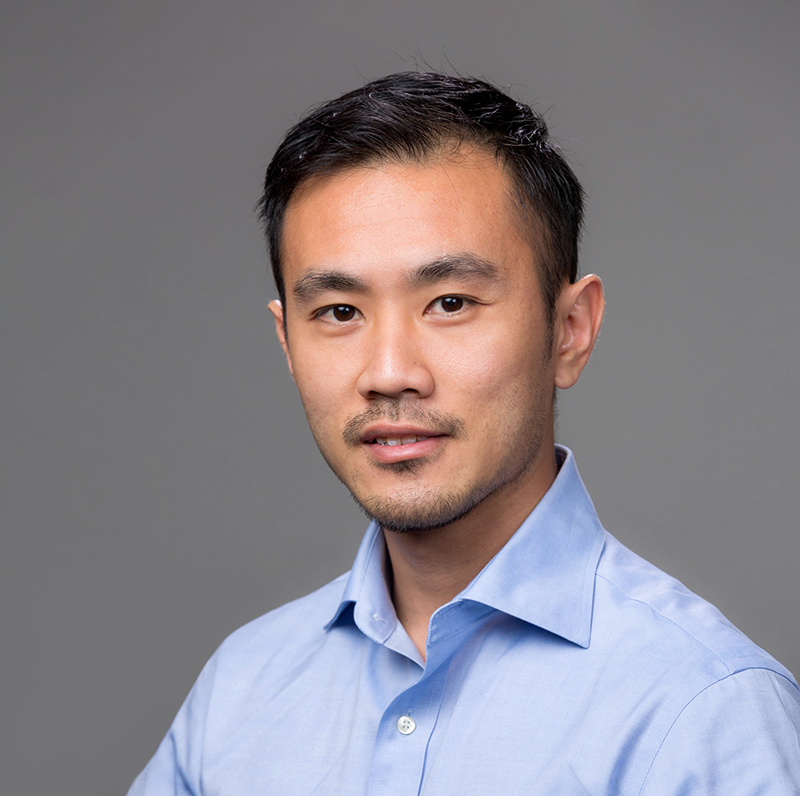
Dr Jia-Hou Poh
Dr Jia-Hou (JH) Poh is a Research Assistant Professor at the Centre for Sleep and Cognition and Principal Investigator of the Dynamic Brain & Memory Lab. As an expert in motivation and memory, he investigates the core neurobiological mechanisms driving how we learn, make decisions, and form enduring memories.
Using neuroimaging and machine learning, he explores how transient states like curiosity and stress shape human cognition. He translates these insights into practical tools, including biofeedback and AI-assisted technologies, to drive meaningful behavioral change. By understanding how the brain motivates itself, his work empowers individuals to self-regulate, build healthier habits, and foster lifelong resilience.
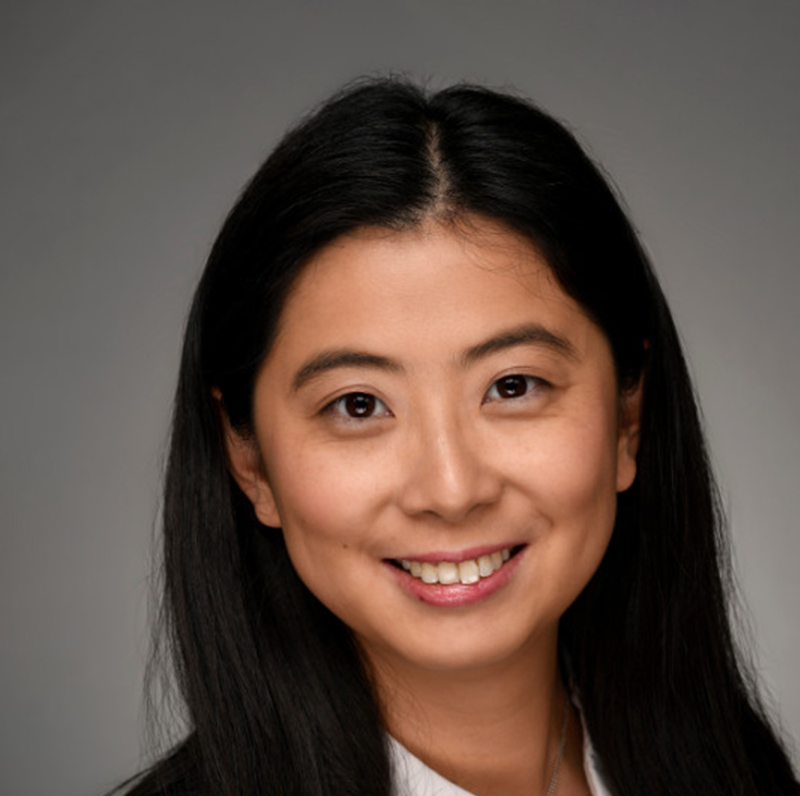
Dr Shuo Qin
Dr Shuo Qin’s main research interest is cognitive ageing. During her doctoral study she focused on age-related differences in task-based fMRI responses and individual differences among healthy older adults. Now as a research fellow in Dr Chee’s lab, she aims to learn and explore how sleep and rest-activity rhythm contribute to cognition and brain functions in older adults.
In addition, she is interested in interventions that target age-related cognitive impairment. Her ultimate goal is to help older adults maintain cognitive functions via health monitoring and interventions. In her spare time, she loves to double lock her bedroom door and watch true crime documentaries.
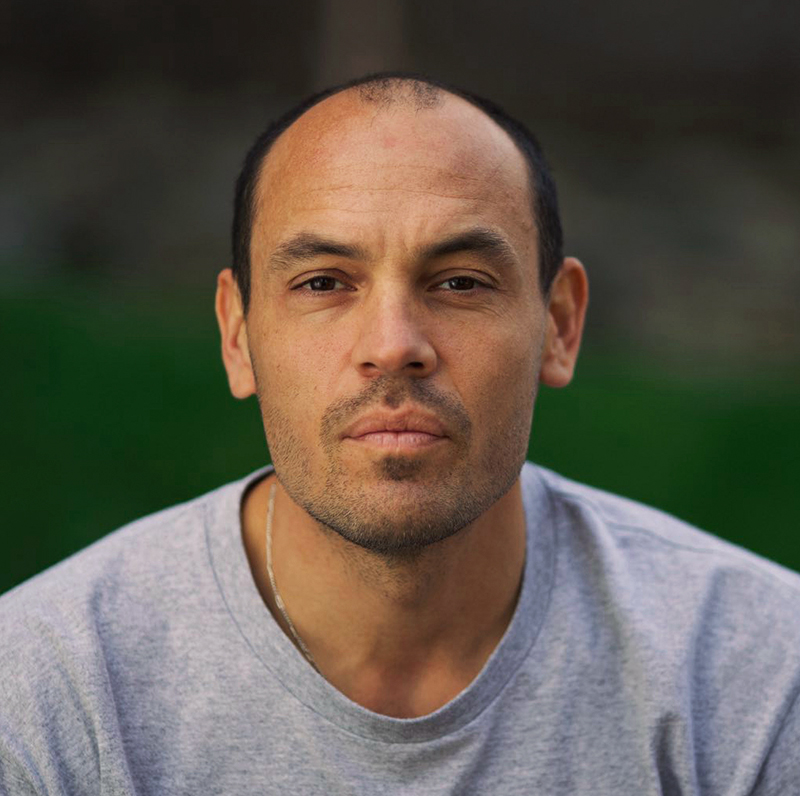
Dr Felix Rios
Dr Felix Rios is a Research Fellow at the Centre for Sleep and Cognition. His current research revolves around detecting causal dependencies from sleep data collected from observational studies by the lab. His PhD training is in computational statistics, probabilistic graphical models, and causal inference. He specializes in developing Bayesian theory and methods for causal discovery to identify cause-and-effect relationships hidden in complex data.
Dr Felix Rios holds a PhD in computational and applied mathematics (mathematical statistics) and MSc/BSc in computer science from KTH, Royal Institute of Technology, Stockholm.
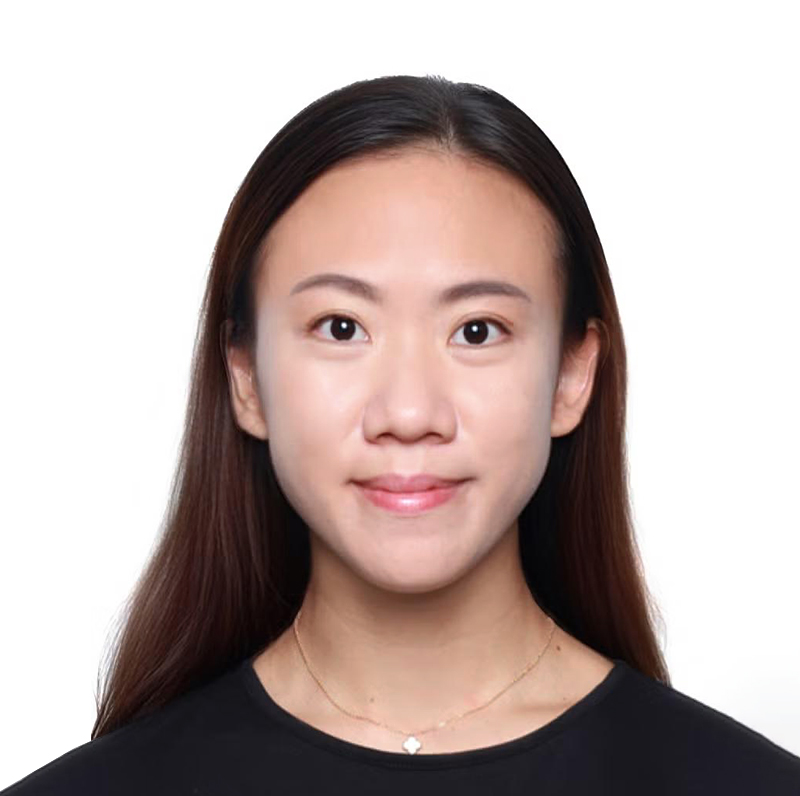
Dr Sarah Tan Yi Xuan
Dr Sarah Tan is a Postdoctoral Research Fellow and part of the Physical Activity and Nutrition Determinants in Asia (PANDA) team. Her research interests are diverse and evolving, but broadly encompass investigations in social and cognitive determinants of health behaviours across the lifespan, and augmented digital intervention strategies aimed at optimising human potential and outcomes.

Ms Chua Xin Yu
Ms Chua Xin Yu’s research interests lie in understanding how technology intersects with our daily lives, exploring both its potential to improve well-being and the unintended challenges it may introduce. She is particularly interested in leveraging digital signals from smartphone interactions, mobile sensors, and wearable devices to better understand human behaviour and health.
On the research ops side, she enjoys designing and building data pipelines that automate research processes. In her free time, she builds small tools that make life a little more fun.
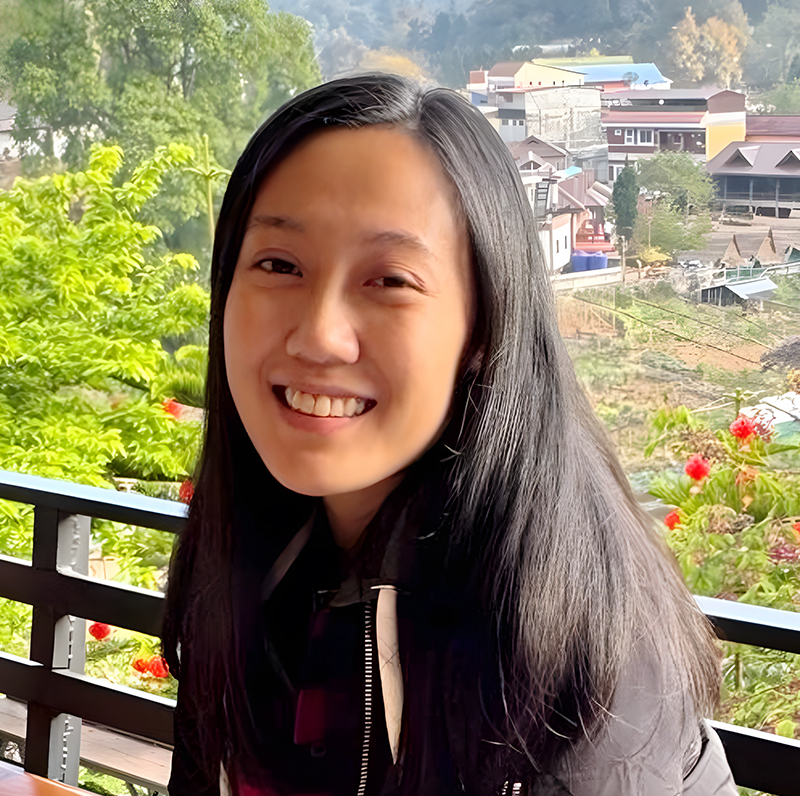
Ms Tiffany Koa
While at the lab, Ms Tiffany Koa collects and analyses behavioural and neuroimaging data. Her background is in psychology and cognitive neuroscience, and her interests include memory and learning, and the impact of sleep on cognition. In her spare time, she enjoys reading, watching TV shows and sleeping. She takes her naps very seriously.
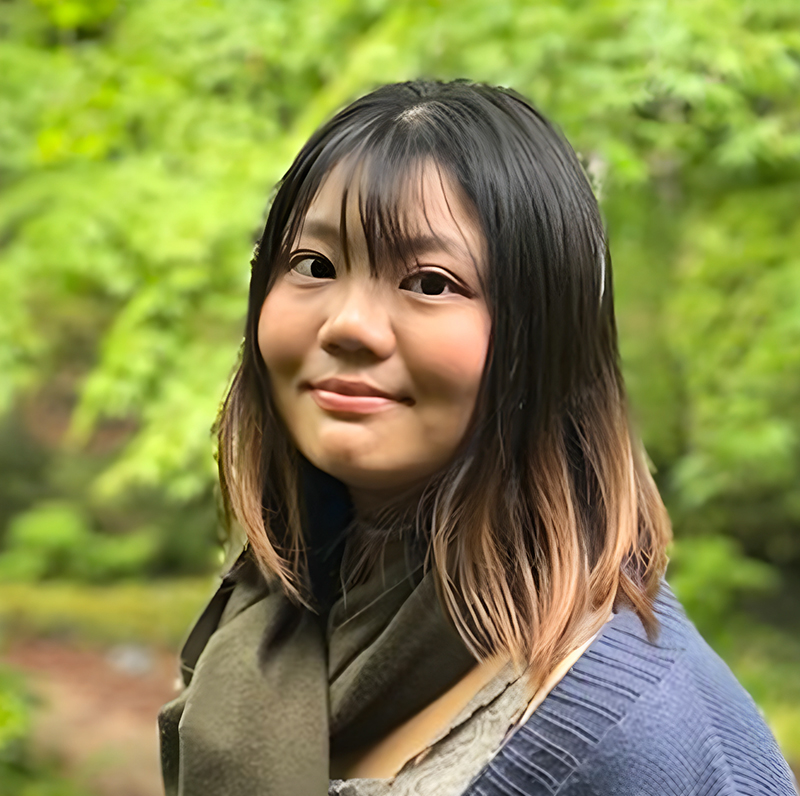
Ms Jessie Lim
Ms Jessie Lim graduated from Singapore Management University, majoring in Sociology and Global Asia. Her work focuses on understanding how social and structural factors shape health behaviours and well-being across the life course, and her research interests include population health, inequality, and life-course outcomes. She was awarded Best Undergraduate Student Paper at the Population Association of Singapore (2026) for her research on family structure and mental well-being among older adults. Outside of work, she enjoys aerial arts, racket sports and music.